Melasma Treatment Sunshine Coast
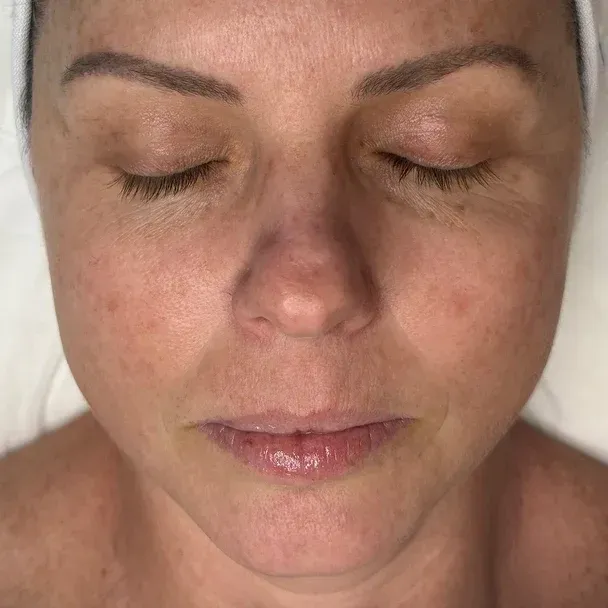
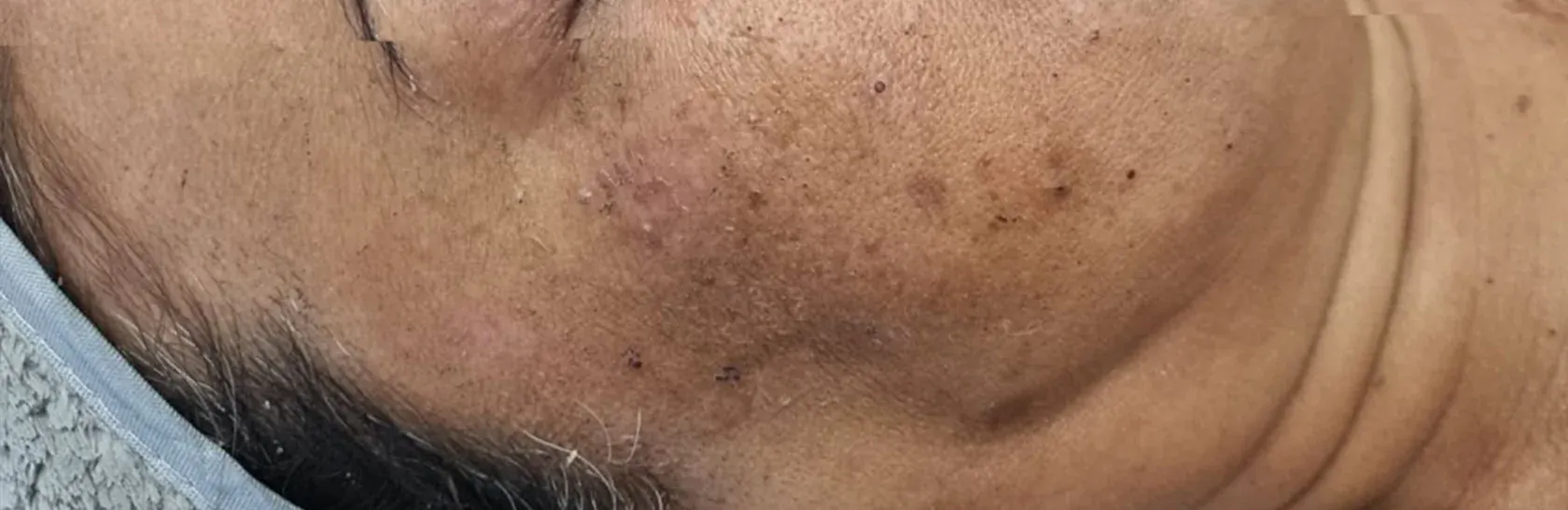
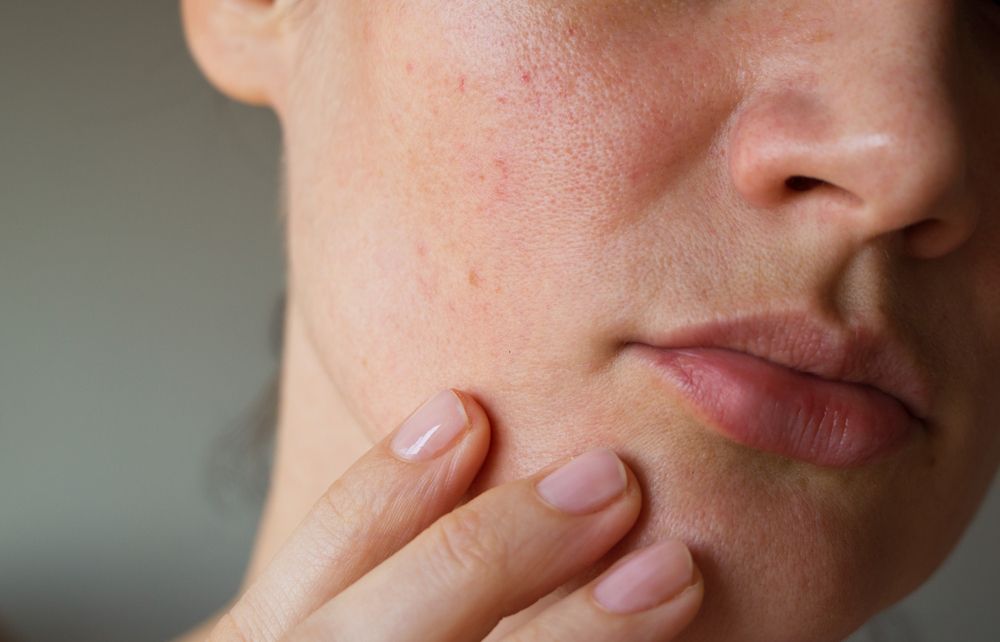
Melasma is a complex form of pigmentation that commonly appears as symmetrical patches of brown or grey-brown discolouration across the face. It often develops across the cheeks, forehead, upper lip, nose and chin and can become more noticeable following sun exposure, heat or hormonal changes.
At That Skin Clinic in Mooloolaba on the Sunshine Coast, we take a long-term, skin-health-focused approach to melasma.
Rather than simply trying to remove visible pigment, our approach focuses on managing the factors that stimulate pigmentation, supporting the skin barrier and progressively improving uneven skin tone.
Depending on your skin, this may include a professional depigmentation program such as Cosmelan®, carefully selected chemical peels, LED therapy, professional skincare and ongoing home care.
What Is Melasma?
Melasma occurs when pigment-producing cells in the skin become overactive and produce excess melanin. Unlike an isolated sunspot that can sometimes be targeted directly, melasma tends to behave more like an ongoing pigmentation disorder.
It can fade and become more noticeable at different times, and recurrence is common. This is why we don't approach melasma as something that can simply be “lasered off”.
Successful management generally requires consistency, patience and an appropriate maintenance plan.
What Causes Melasma?
There isn't usually one single cause.
Melasma is influenced by a combination of factors, including:
- UV exposure
- Visible light
- Hormonal changes
- Pregnancy
- Hormonal contraception
- Genetic predisposition
- Heat
- Inflammation and skin irritation
- Certain medications or hormonal therapies
Some people may have several contributing factors at the same time. Understanding these triggers is an important part of developing an appropriate treatment plan.
Is Melasma the Same as Sunspots?
No, and this distinction is extremely important. Sunspots and melasma are different pigmentation concerns and may respond very differently to treatment.
An isolated sunspot is generally a localised accumulation of pigment associated with cumulative UV exposure.
Melasma tends to appear in broader, often symmetrical patches and is influenced by a more complex combination of hormonal, vascular, inflammatory and environmental factors.
Treating melasma too aggressively can potentially stimulate inflammation and lead to further pigmentation. This is why correctly assessing the pigmentation pattern before beginning treatment is so important.
Our Approach to Melasma Treatment
Melasma treatment should be progressive rather than aggressive.
Before beginning advanced treatment, we assess your skin barrier, current skincare, previous pigmentation treatments, lifestyle factors and the pattern of pigmentation present.
For compromised or reactive skin, we may initially recommend gentler treatments and barrier-supportive skincare before beginning a more intensive depigmentation program.
Your treatment plan may then incorporate several approaches.
Cosmelan® Depigmentation Program
For suitable clients, we offer Cosmelan®, a professional depigmentation program designed to reduce the appearance of pigmentation while helping regulate the processes involved in excess melanin production.
Unlike a one-off facial or peel, Cosmelan involves both an in-clinic treatment and an important home-care phase. Consistency with the prescribed home-care protocol and sun protection is essential to the program.
Because melasma has a tendency to recur, ongoing maintenance may also be recommended after the initial program.
Chemical Peels
Carefully selected professional chemical peels may form part of a melasma treatment plan. Rather than aggressively peeling the skin, our goal is controlled skin renewal while minimising unnecessary inflammation.
Depending on your skin, we may begin with gentler peels to improve barrier health and tolerance before progressing to more targeted pigmentation treatments.
LED Light Therapy
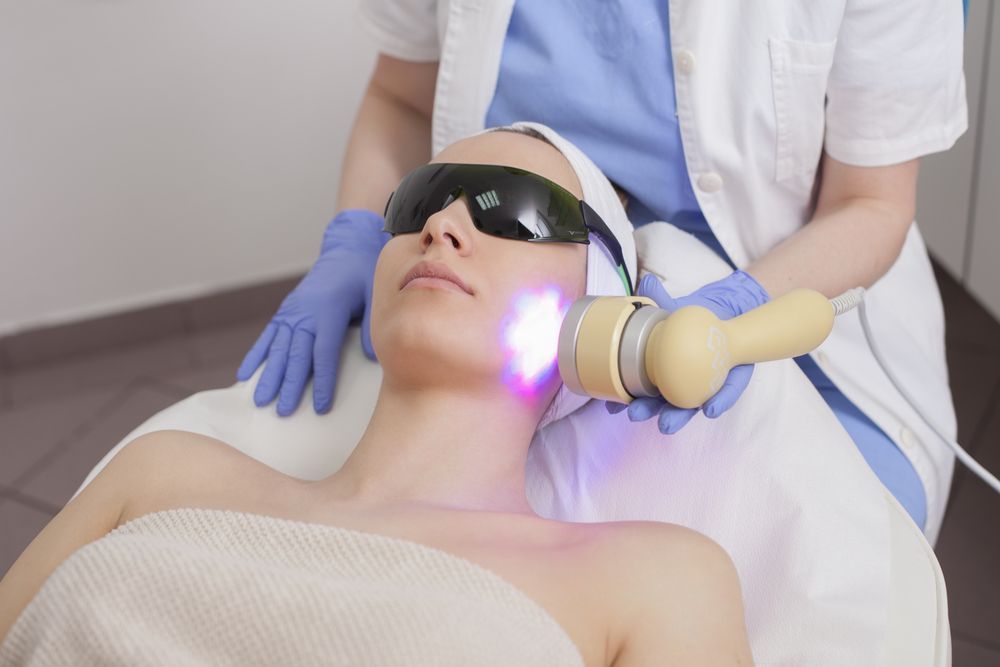
LED therapy may be incorporated into your treatment program as a gentle, non-invasive way to support the skin during a pigmentation program.
It can be particularly useful when our priority is maintaining skin health while undertaking more active treatments.
Professional Home Care
What you do between appointments is particularly important when managing melasma.
Depending on your skin, your home-care program may include ingredients that support pigment regulation, antioxidants, skin renewal and barrier function.
We will recommend products based on your individual skin rather than simply prescribing the strongest pigmentation products available.
What About Laser and IPL for Melasma?
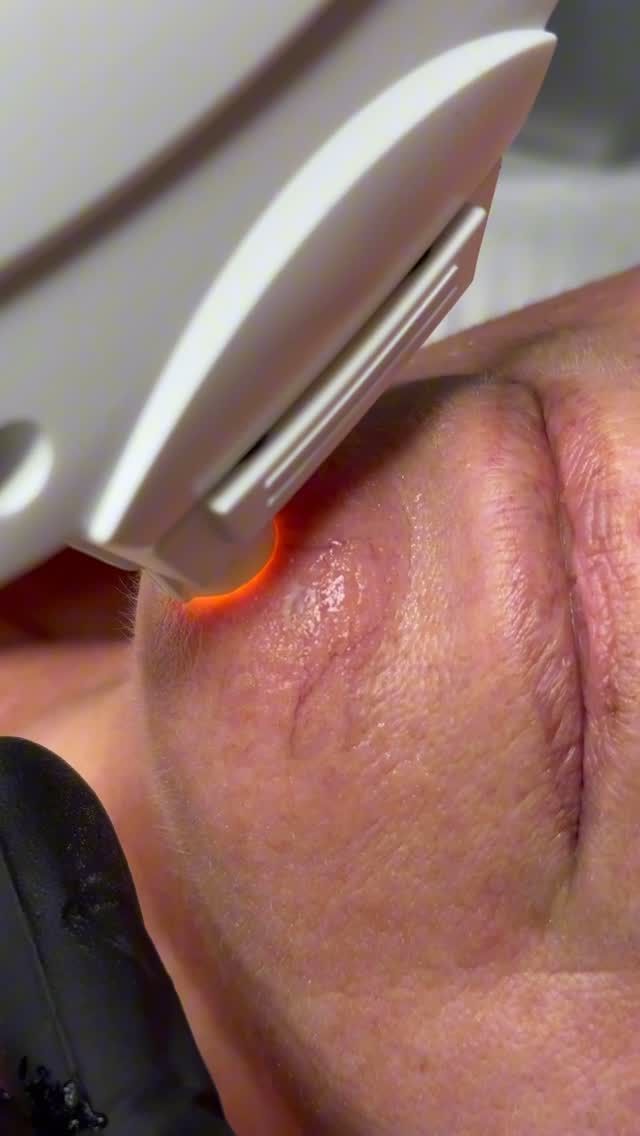
Laser and IPL can be excellent technologies for many pigmentation concerns but melasma requires a much more cautious approach.
Heat, inflammation and inappropriate treatment parameters can potentially trigger or worsen pigmentation in susceptible skin. For this reason, we don't automatically recommend IPL or laser simply because pigmentation is visible.
Where device-based treatment is considered appropriate, it forms part of a carefully planned treatment strategy rather than being used as a quick fix.
For many clients, our initial focus will instead be pigment regulation, barrier health, professional depigmentation treatments, home care and strict photoprotection.
Sun Protection Is Essential
Managing melasma without managing light exposure is extremely difficult. Daily broad-spectrum SPF 50+ should become part of your everyday routine, not only something you apply when going to the beach.
Additional measures such as hats, shade and avoiding unnecessary prolonged sun exposure can also help minimise stimulation of pigmentation.
For melasma, we may also discuss protection from visible light and whether a tinted sunscreen containing iron oxides is appropriate for your skin.
Sun protection doesn't mean avoiding life outdoors. It means protecting your skin consistently enough to give your treatment plan the best opportunity to work.
Can Melasma Be Permanently Removed?
Melasma is better thought of as a condition that can be managed rather than permanently cured.
Many people can achieve a noticeable improvement in pigmentation and overall skin tone, but recurrence is possible, particularly following significant UV exposure, heat or hormonal changes.
This is why we focus on creating a long-term pigmentation management plan, rather than promising permanent removal.
How Long Does Melasma Treatment Take?
Melasma treatment takes time. Unlike treating an isolated superficial pigment spot, meaningful improvement generally develops progressively over a period of weeks to months.
Your individual response will depend on factors including:
- The depth and pattern of pigmentation
- Your skin type
- Hormonal influences
- Sun and heat exposure
- Previous treatments
- Skin barrier health
- Consistency with home care
- Daily sun protection
Maintenance is an important part of protecting your results.
Is Every Facial Pigmentation Melasma?
No. Sunspots, freckles, post-inflammatory hyperpigmentation and other pigmented lesions can sometimes resemble melasma.
That Skin Clinic provides cosmetic skin treatments and does not diagnose suspicious pigmented lesions or skin cancer.
If pigmentation is unusual, changing, isolated or otherwise requires medical assessment, we may recommend that you see your GP, skin cancer doctor or dermatologist before beginning cosmetic treatment.
Start With a Melasma & Pigmentation Consultation
If you've been struggling with persistent pigmentation or have tried treatments that haven't delivered the improvement you were hoping for, the first step is understanding what we're treating. Our $75 Skin Consultation is fully redeemable toward recommended treatment or skincare.
We'll assess your skin, discuss your pigmentation history, previous treatments, skincare and potential contributing factors and develop a personalised plan.
Depending on your skin, this may include Cosmelan®, chemical peels, LED therapy, professional home care and carefully selected advanced treatments where appropriate.
Our goal isn't to chase pigment with increasingly aggressive treatments. It's to create a considered plan that improves the appearance of pigmentation while supporting the long-term health of your skin.
That Skin Clinic | Mooloolaba, Sunshine Coast
Advanced cosmetic skin treatments with a focus on long-term skin health.
Your Skin. But Better.
Book Your $75 Melasma & Pigmentation Consultation