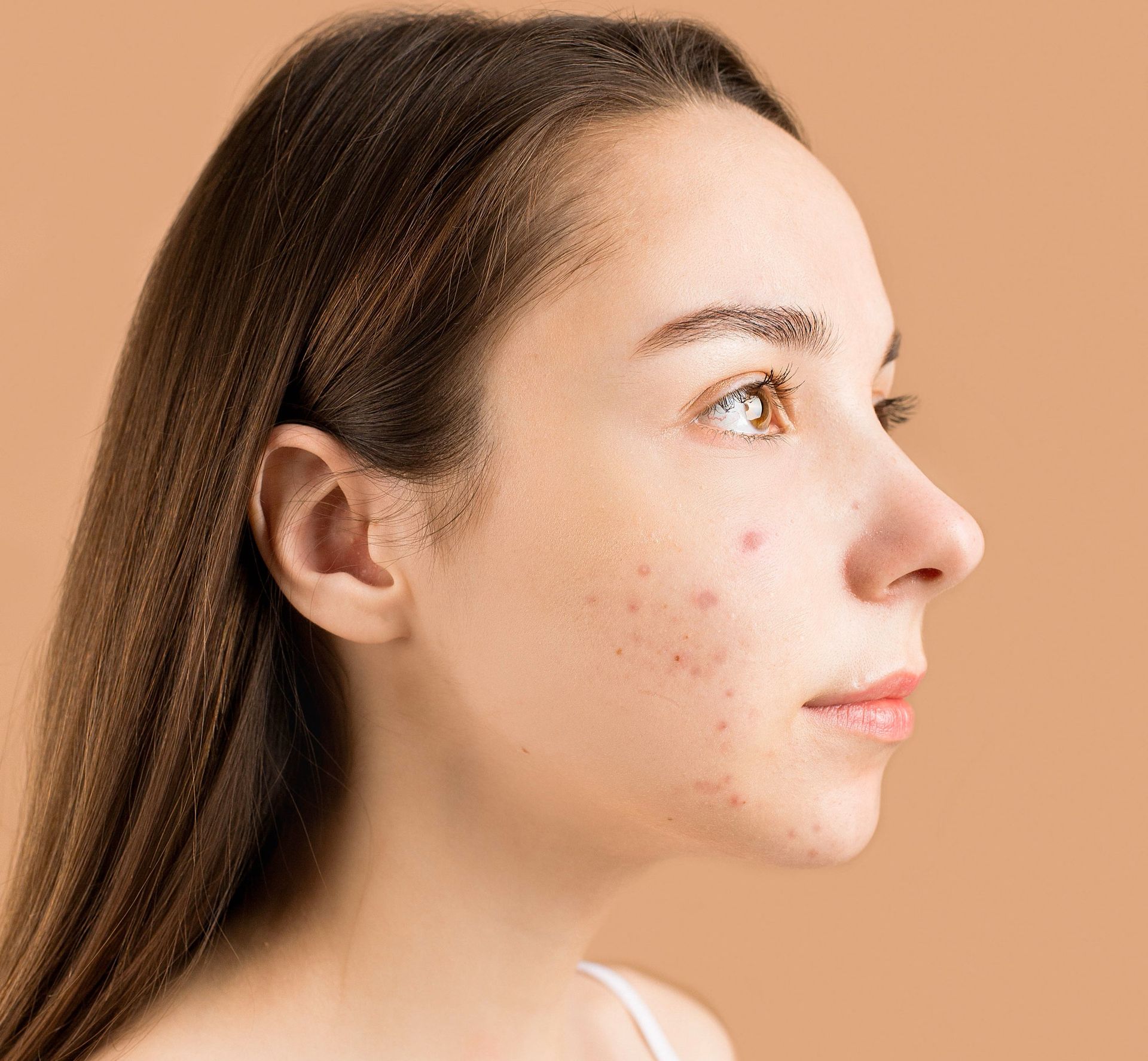
Explore acne extractions and skin treatments on the Sunshine Coast with That Skin Clinic. Learn how we approach blackheads, whiteheads and congested skin.
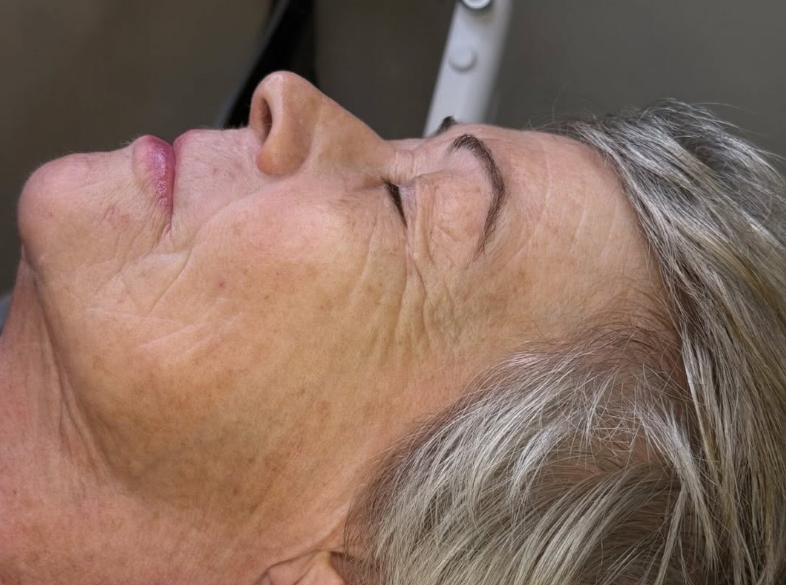
That Skin Clinic in Mooloolaba on the Sunshine Coast, offers personalised cosmetic treatments to improve skin texture of the neck, jawline and decolletage.
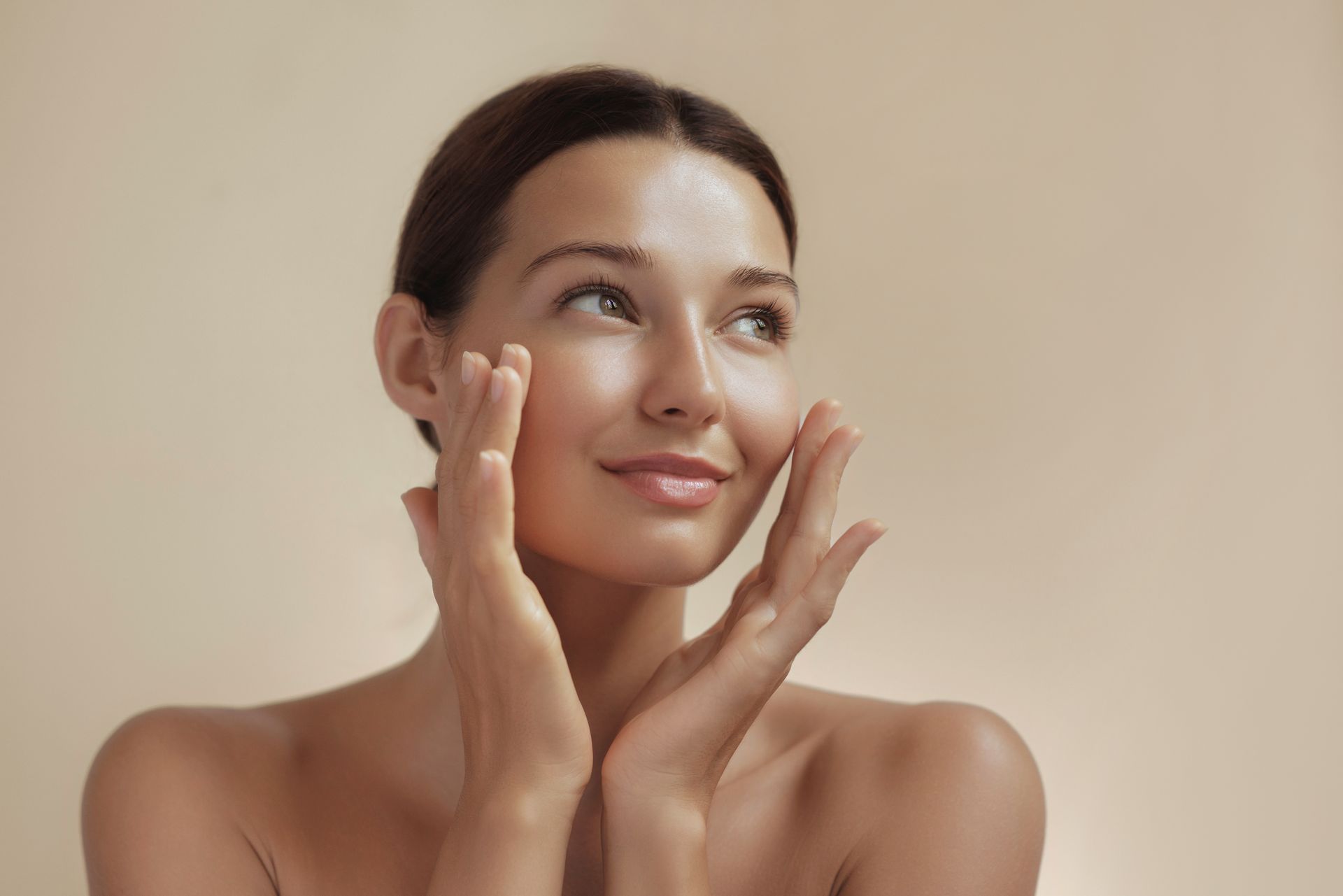
Pregnancy-Safe Facials Sunshine Coast Pregnancy brings significant hormonal changes, and your skin can change along with them. Some women experience the well-known pregnancy glow, while others notice increased sensitivity, dehydration, congestion, breakouts, pigmentation or skin that suddenly reacts to products they've used for years. At That Skin Clinic in Mooloolaba on the Sunshine Coast, we offer personalised pregnancy-safe facials designed to support your skin throughout pregnancy and breastfeeding. Rather than following the same facial protocol for every client, we assess your skin, consider your stage of pregnancy and select appropriate professional treatments and skincare ingredients. Your facial may incorporate gentle enzyme exfoliation, hydration, calming treatments, professional masks, carefully selected extractions and barrier-supportive skincare. Our approach is simple. Pregnancy doesn't mean you need to stop looking after your skin. It means understanding which treatments and ingredients are appropriate and adapting your skincare to support the changes your body is experiencing. How Does Pregnancy Affect Your Skin? During pregnancy, fluctuations in oestrogen, progesterone and other hormones can influence oil production, pigmentation, circulation, hydration and skin sensitivity. These changes can begin early in pregnancy and continue throughout the different trimesters. Common pregnancy-related skin concerns include: Hormonal acne and breakouts Congestion and blocked pores Increased oil production Dryness and dehydration Sensitive or reactive skin Facial redness and flushing Melasma and hormonal pigmentation Uneven skin tone Dull or tired-looking skin Changes in skin texture A compromised skin barrier Increased sensitivity to skincare products Some women experience increased oil production and congestion, while others develop dryness and sensitivity. It's also possible to experience several concerns at once, such as hormonal breakouts alongside dehydration and an impaired skin barrier. Understanding these changes is important because treating pregnancy-related skin concerns often requires a different approach to your usual skincare routine. Pregnancy-Safe Facials at That Skin Clinic Our pregnancy facials are tailored to your individual skin concerns, rather than using a predetermined sequence of products. We focus on maintaining healthy skin function, supporting hydration, managing congestion and improving the appearance of your skin without unnecessarily aggressive treatments. Depending on your skin and medical history, your facial may incorporate: Gentle Enzyme Treatments Professional enzyme treatments provide a form of superficial exfoliation that can help remove accumulated dead skin cells from the surface of the skin. They may be particularly useful for pregnancy-related dullness, rough texture and mild congestion. Unlike more intensive resurfacing treatments, carefully selected enzyme formulations can offer a gentler approach to improving skin texture and clarity. However, not all enzyme products are formulated the same way. We assess the complete formulation, including additional acids and active ingredients, before selecting a treatment suitable for pregnancy. Hydration & Barrier Support Hormonal changes during pregnancy can influence the skin's ability to maintain hydration and tolerate products. You may notice your skin becoming increasingly dry, tight, sensitive or reactive, even if you've previously had oily or combination skin. When the skin barrier is compromised, our priority is supporting hydration and reducing unnecessary irritation rather than exfoliating the skin further. Your facial may incorporate hydrating serums, nourishing moisturisers, calming masks and carefully selected ingredients designed to support the skin barrier. Ingredients such as hyaluronic acid, glycerin, ceramides and appropriate soothing ingredients can help maintain hydration and improve skin comfort. Sometimes the most beneficial treatment during pregnancy is one that focuses on restoring balance rather than stimulating further exfoliation. Pregnancy-Safe Exfoliation Not all exfoliating acids are automatically unsuitable during pregnancy. Certain superficial exfoliating ingredients, including lactic acid and glycolic acid, may be considered in appropriate formulations and concentrations. However, pregnancy can increase skin sensitivity, and professional-strength chemical peels require additional consideration. At That Skin Clinic, we take a conservative approach to exfoliation during pregnancy. We generally avoid aggressive chemical peels, deep exfoliation and treatments designed to create significant inflammation or prolonged skin recovery. Our focus is on selecting the least intensive treatment necessary to address your concerns while supporting healthy skin function. Hormonal Breakouts & Congestion Pregnancy-related hormonal changes can stimulate sebaceous gland activity, increasing oil production and contributing to congestion or acne. For some women, breakouts develop during the first trimester. For others, they may continue throughout pregnancy or into the postpartum period. While many traditional acne treatments contain ingredients that are unsuitable during pregnancy, there are still ways to support breakout-prone skin. Your facial may incorporate: Gentle cleansing Appropriate enzyme exfoliation Carefully selected extractions Hydration and barrier support Non-comedogenic skincare Calming professional masks Pregnancy-appropriate home-care recommendations We avoid aggressively stripping the skin or using strong exfoliation simply because breakouts are present. For persistent inflammatory or cystic acne, we may recommend assessment by your GP or dermatologist to discuss pregnancy-compatible medical treatment options. Professional Extractions Where appropriate, gentle professional extractions may be incorporated into your pregnancy facial to address blackheads and selected areas of congestion. Extractions are performed conservatively, taking into consideration your skin's sensitivity, inflammation and barrier condition. We avoid aggressive squeezing or unnecessary trauma, particularly where the skin is already inflamed or reactive. Our aim is to improve congestion while minimising irritation and the risk of post-inflammatory pigmentation. Calming & Hydrating Masks Professional masks can be particularly beneficial when pregnancy has left your skin feeling dry, sensitive, flushed or uncomfortable. Depending on your skin, we may incorporate collagen fleece masks, hydrating gel masks, nourishing creams or other carefully selected professional treatments. These are selected to support hydration, improve skin comfort and help maintain a healthier skin barrier. Not every professional mask or active ingredient is automatically suitable during pregnancy, which is why product selection is an important part of your treatment. What About LED Light Therapy During Pregnancy? LED light therapy is commonly used in professional skin treatments to support skin recovery and address concerns such as inflammation and redness. However, research specifically examining cosmetic LED light therapy during pregnancy remains limited. For this reason, we do not routinely include cosmetic LED treatments during pregnancy without appropriate medical clearance and consideration of the device manufacturer's guidance. There are still many ways to support your skin through professional facials without incorporating light-based treatments. Our priority is selecting treatments with an appropriate safety profile for your individual circumstances. Melasma & Pregnancy Pigmentation Melasma, sometimes called the mask of pregnancy, is a common pigmentation concern associated with hormonal changes. It typically presents as patches of brown or grey-brown pigmentation, particularly across the cheeks, forehead, upper lip and other sun-exposed areas. Pregnancy-related hormonal changes can increase melanocyte activity, making the skin more susceptible to pigmentation, particularly when combined with ultraviolet radiation and visible light exposure. At That Skin Clinic, we take a conservative approach to managing melasma during pregnancy. Rather than attempting aggressive pigmentation removal, our focus is on supporting the skin barrier, minimising irritation and establishing an appropriate home-care routine. This may include: Gentle cleansing and hydration Barrier-supportive moisturisers Pregnancy-compatible brightening ingredients Daily broad-spectrum SPF 50+ Tinted sunscreen containing iron oxides to help protect against visible light Minimising heat and unnecessary skin inflammation Reviewing products that may contribute to irritation Ingredients such as azelaic acid may be appropriate during pregnancy and can be useful for certain pigmentation and acne concerns, depending on the formulation and individual circumstances. We generally defer laser pigmentation treatments, IPL and more intensive resurfacing procedures until after pregnancy. Melasma can also improve naturally after pregnancy, although some pigmentation may persist and require a more structured treatment plan. Which Skincare Ingredients Should Be Avoided During Pregnancy? Pregnancy is an important time to review your existing skincare routine, particularly if you're using prescription products, anti-ageing serums or professional-strength exfoliating treatments. Certain ingredients are best avoided during pregnancy, including: Retinoids Prescription tretinoin, adapalene, tazarotene and cosmetic retinol or retinal products are generally avoided during pregnancy. Hydroquinone Hydroquinone is generally avoided because of its relatively high systemic absorption and limited pregnancy safety data. High-Strength Salicylic Acid Peels Although small amounts of salicylic acid in some topical products may be considered acceptable, high-concentration professional salicylic acid peels are generally avoided during pregnancy. Aggressive Chemical Peels Medium-depth and deep chemical peels, or treatments designed to produce significant inflammation and prolonged recovery, are generally deferred. Certain Prescription Acne Treatments Some prescription acne medications are contraindicated during pregnancy and require review by your prescribing medical practitioner. This doesn't mean you need to eliminate every active ingredient from your skincare routine. It means selecting ingredients with an appropriate safety profile and understanding how they interact with your changing skin. Which Skincare Ingredients Can Be Used During Pregnancy? There are several well-established skincare ingredients that can help support skin health throughout pregnancy. Depending on your concerns, these may include: Hyaluronic Acid A humectant that helps attract and retain water, supporting hydration and improving the appearance of dehydrated skin. Niacinamide A form of vitamin B3 that can support skin barrier function, improve uneven-looking skin tone and help regulate the appearance of excess oil. Vitamin C An antioxidant that can help improve the appearance of dullness and uneven skin tone while supporting the skin against environmental oxidative stress. Azelaic Acid An ingredient commonly used for acne, redness and pigmentation concerns, with a generally favourable pregnancy safety profile when used appropriately. Ceramides Lipids that help maintain the skin's protective barrier and reduce moisture loss. Glycerin A humectant that supports hydration and improves skin comfort. Zinc Oxide Sunscreen A mineral UV filter that provides broad-spectrum protection when used in an appropriately formulated sunscreen. The most suitable ingredients will depend on your skin concerns, product formulation and any medical considerations. Can I Have a Facial During My First Trimester? Many gentle cosmetic facials can be performed during pregnancy, including the first trimester, provided the products and treatment techniques are appropriate. However, the first trimester is a period of significant physiological change, and some clients may experience increased nausea, fatigue, sensitivity or discomfort. At That Skin Clinic, we review your pregnancy history, current skin condition and any relevant medical concerns before proceeding. We may modify the treatment duration, positioning, products or techniques to ensure you remain comfortable. If you have a high-risk pregnancy, pregnancy complications or have been advised to restrict certain activities or treatments, we may request clearance from your maternity healthcare provider. You should always let us know that you're pregnant, even if you're in the very early stages. What About Facials While Breastfeeding? Breastfeeding can also influence skin hydration, hormonal activity and the appearance of breakouts or pigmentation. Many gentle professional facials remain suitable during breastfeeding, although some skincare ingredients and advanced treatments still require consideration. The precautions for pregnancy and breastfeeding are not always identical. Certain treatments or topical ingredients that are avoided during pregnancy may be considered compatible with breastfeeding, depending on their absorption, application area and available safety information. We assess your skin, breastfeeding status and current skincare before recommending treatment. What Treatments Are Not Recommended During Pregnancy? At That Skin Clinic, we generally defer elective advanced cosmetic procedures during pregnancy, including: IPL skin rejuvenation and pigmentation treatments Picosecond laser treatments Fractional Er laser resurfacing Cosmetic laser hair removal Laser tattoo removal Skin needling and microneedling Medium-depth and deep chemical peels Aggressive resurfacing treatments This precautionary approach reflects the limited pregnancy-specific safety evidence for many elective cosmetic procedures, along with considerations such as inflammation, pigmentation changes, infection risk and skin recovery. Pregnancy doesn't necessarily make every cosmetic procedure inherently harmful, but when a treatment is elective and safety evidence is limited, postponing it is generally the more appropriate approach. There are still effective ways to maintain skin health throughout pregnancy without undertaking advanced resurfacing or laser treatments. Why We Recommend a Tailored Pregnancy Facial Your skin can change considerably between the first trimester, third trimester and postpartum period. A facial that was suitable before pregnancy may no longer be the most appropriate treatment. For example, a client who previously benefited from regular exfoliation may suddenly develop sensitivity and dehydration. Another client may experience increased congestion and hormonal breakouts despite having relatively clear skin before pregnancy. Our pregnancy facials are designed to adapt to these changes. Rather than selecting the strongest treatment available, we consider what your skin actually needs at the time of your appointment. That may mean gentle enzymes and hydration at one visit, followed by a calming and barrier-supportive facial at another. Sometimes improving skin means doing less, not more. Which Pregnancy Facial Is Right for Me? You don't need to know. That's our job. If you're pregnant and wondering whether your skin needs exfoliation, hydration, congestion management or simply some professional attention, book a Skin Consultation with Tailored Facial. We'll assess your skin, discuss your pregnancy and current skincare routine, and select an appropriate treatment based on your individual needs. Our pregnancy-safe facials may be suitable for clients experiencing: Dryness and dehydration Dull or tired-looking skin Mild congestion Blackheads Hormonal changes in oil production Sensitive or reactive skin Uneven skin texture Mild facial redness Skin barrier concerns General skin health and maintenance For more complex concerns such as persistent inflammatory acne, melasma, rosacea or significant pigmentation, we may recommend a more structured skincare approach and referral to an appropriate healthcare professional. Start With a Pregnancy-Safe Tailored Facial Pregnancy can change your skin, but it doesn't mean you need to put your skin health on hold. At That Skin Clinic in Mooloolaba, our pregnancy-safe facials are designed to support your skin through these changes with carefully selected professional products, gentle treatment techniques and personalised home-care recommendations. Whether you're experiencing hormonal breakouts, dehydration, increased sensitivity, pigmentation or simply want to maintain healthy-looking skin throughout pregnancy, we'll tailor your facial to what your skin needs. Your treatment may incorporate gentle enzyme exfoliation, hydration, calming masks, selected extractions and barrier-supportive skincare where appropriate. You'll also leave with practical recommendations for maintaining your skin at home, including guidance on which ingredients to continue, introduce or avoid during pregnancy. That Skin Clinic | Mooloolaba, Sunshine Coast Advanced cosmetic skin treatments with a focus on long-term skin health. Book a Pregnancy-Safe Tailored Facial
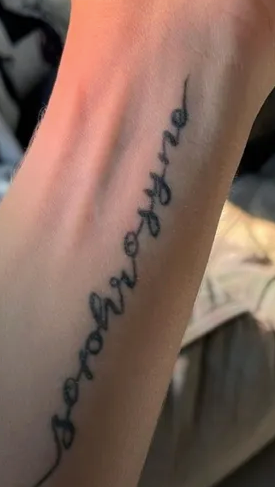
Fade or remove unwanted tattoos with advanced picosecond laser tattoo removal at That Skin Clinic in Mooloolaba on the Sunshine Coast.
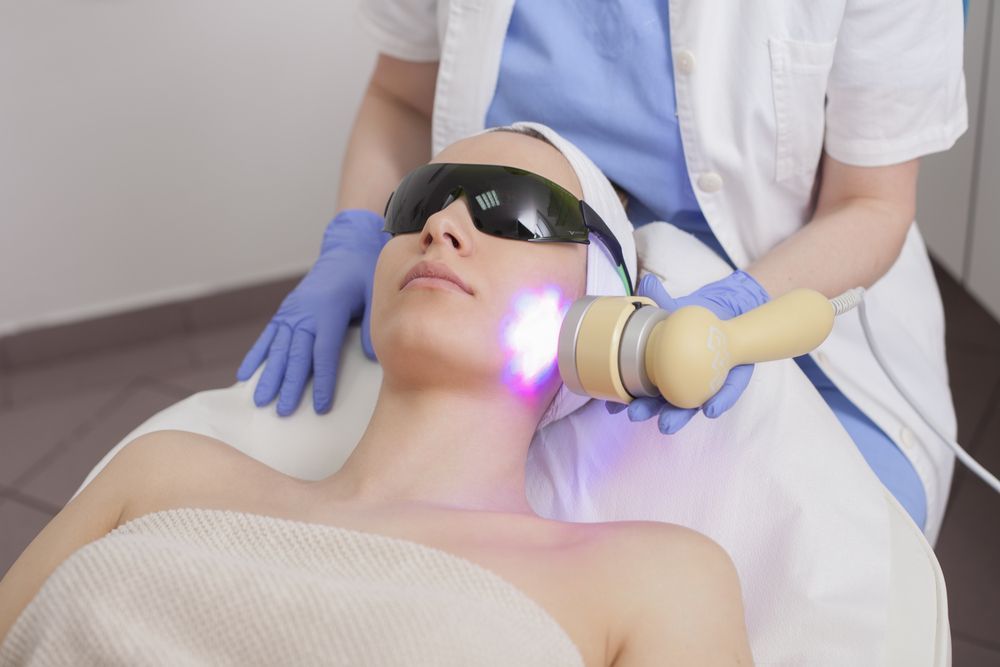
Reduce unwanted facial and body hair with IPL hair reduction or dermaplaning at That Skin Clinic in Mooloolaba on the Sunshine Coast.
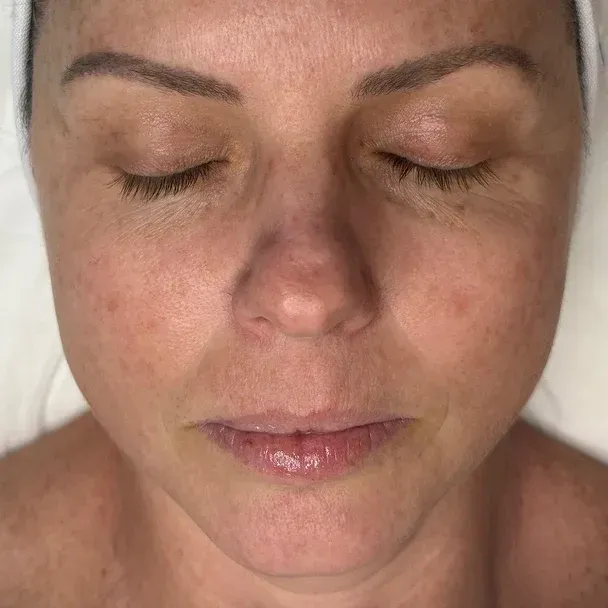
Refresh dull, dry or dehydrated skin with tailored facials at That Skin Clinic in Mooloolaba, Sunshine Coast, featuring exfoliation, hydration and LED.
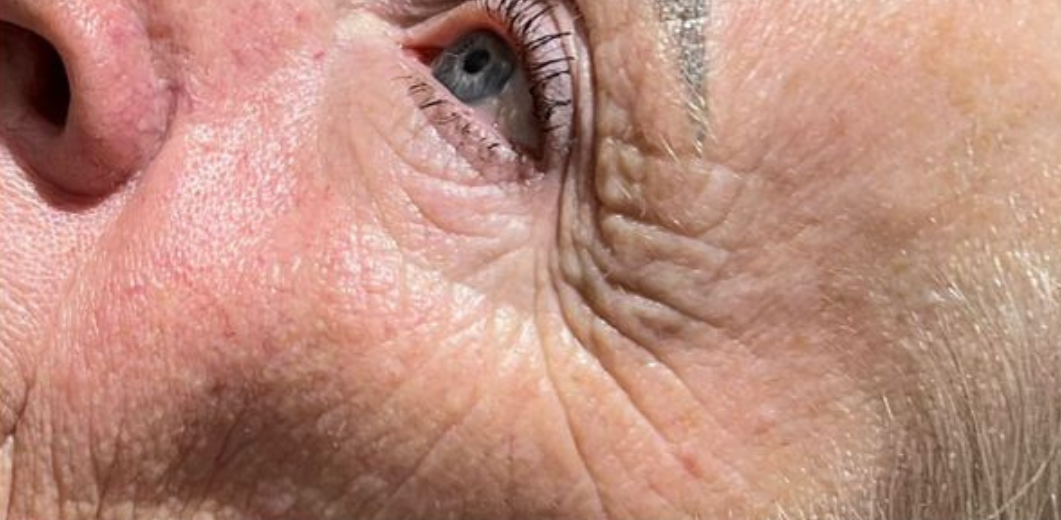
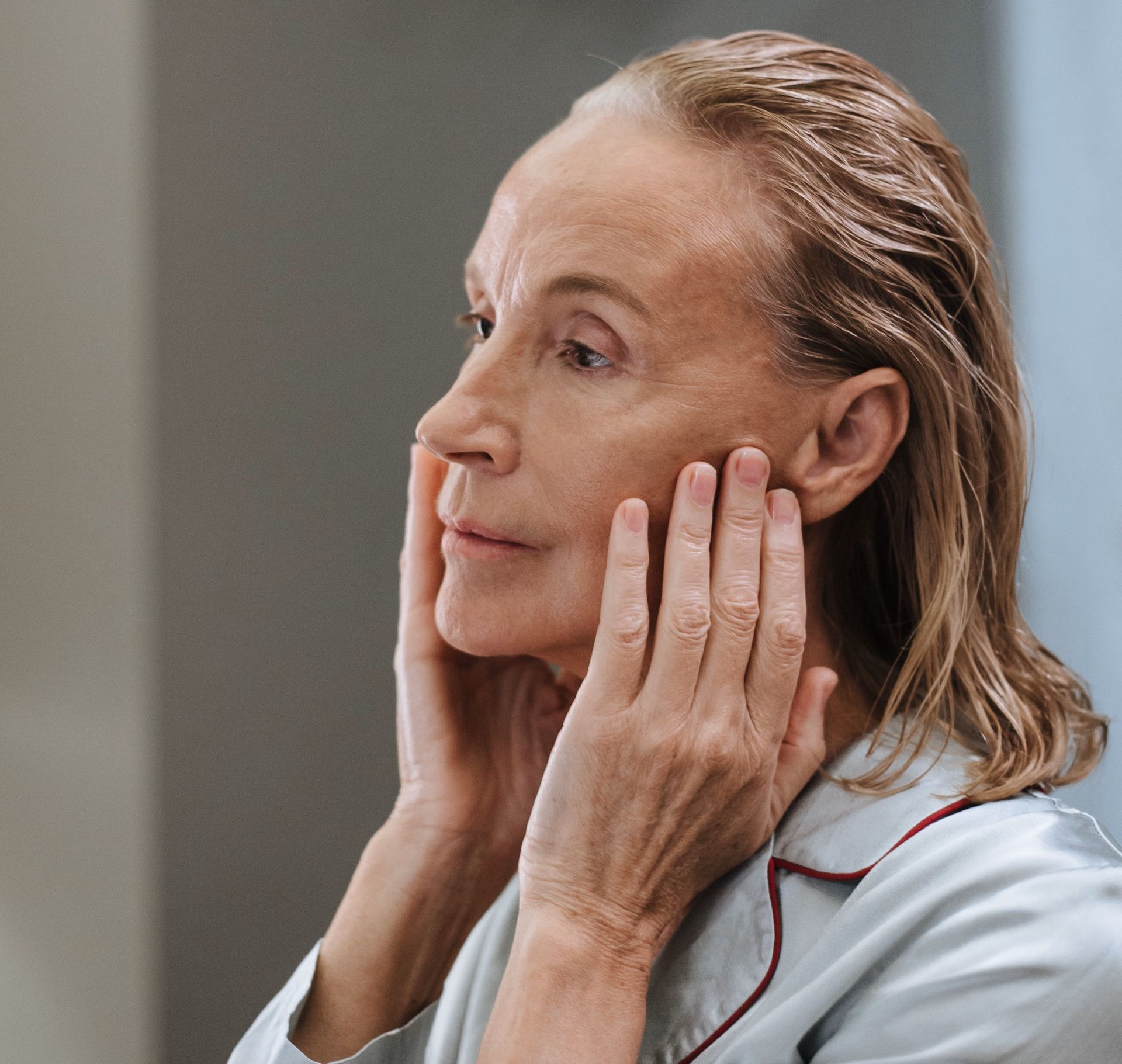
Support healthy skin ageing with personalised treatments for fine lines, texture and skin quality at That Skin Clinic in Mooloolaba, Sunshine Coast
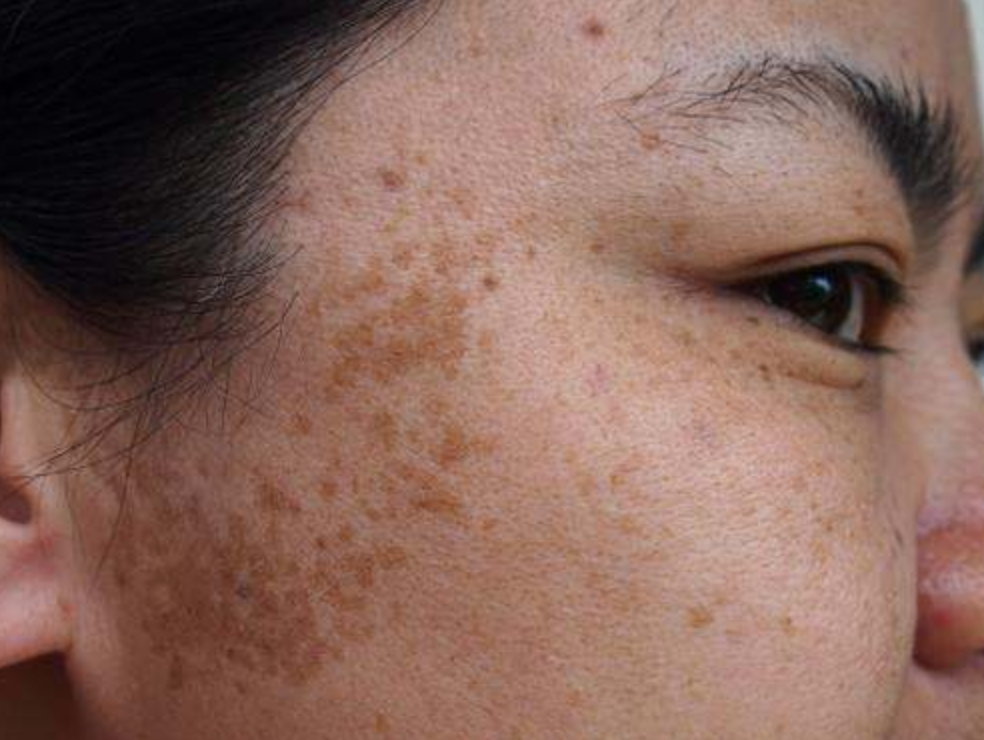
Manage melasma and uneven pigmentation with personalised treatments at That Skin Clinic on the Sunshine Coast, including Cosmelan®, peels and LED therapy.
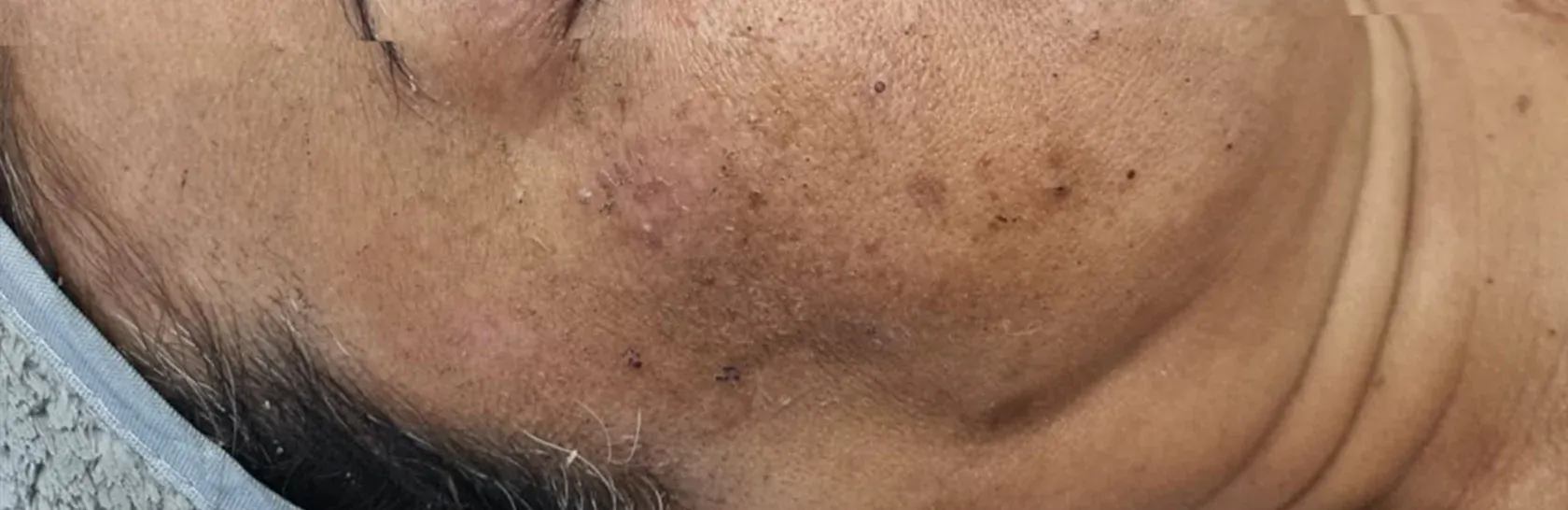
Address visible sun damage with personalised IPL, laser, skin needling and peel treatments at That Skin Clinic in Mooloolaba on the Sunshine Coast.
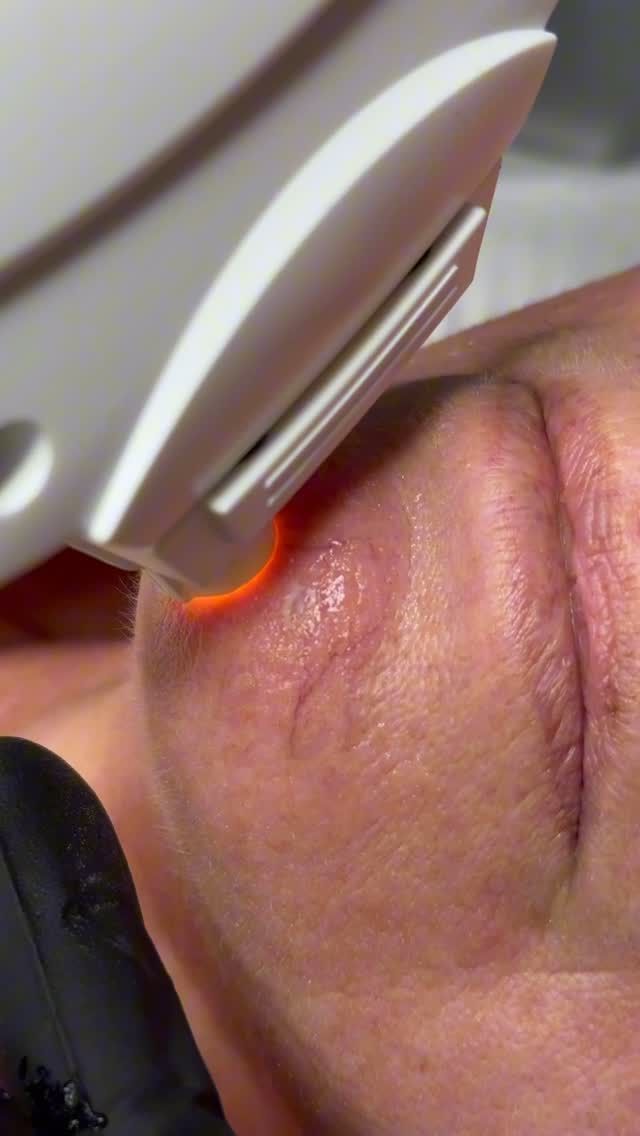
Reduce the appearance of facial redness and broken capillaries with personalised IPL and laser treatments at That Skin Clinic on the Sunshine Coast.